When your brows sit lower, you might notice heaviness over your upper eyelids, deeper forehead lines, or a tired or serious look even if you feel fine. Brow lift surgery moves the forehead and brow tissues to give you a more open, refreshed appearance while keeping your features familiar. At West Coast Plastic Surgery, Dr. Brandon Lambiris, a board-certified plastic surgeon, customizes each brow lift to your facial anatomy, brow shape, hairline, skin quality, and personal goals. Patients from Bradenton are seen at the Sarasota office.
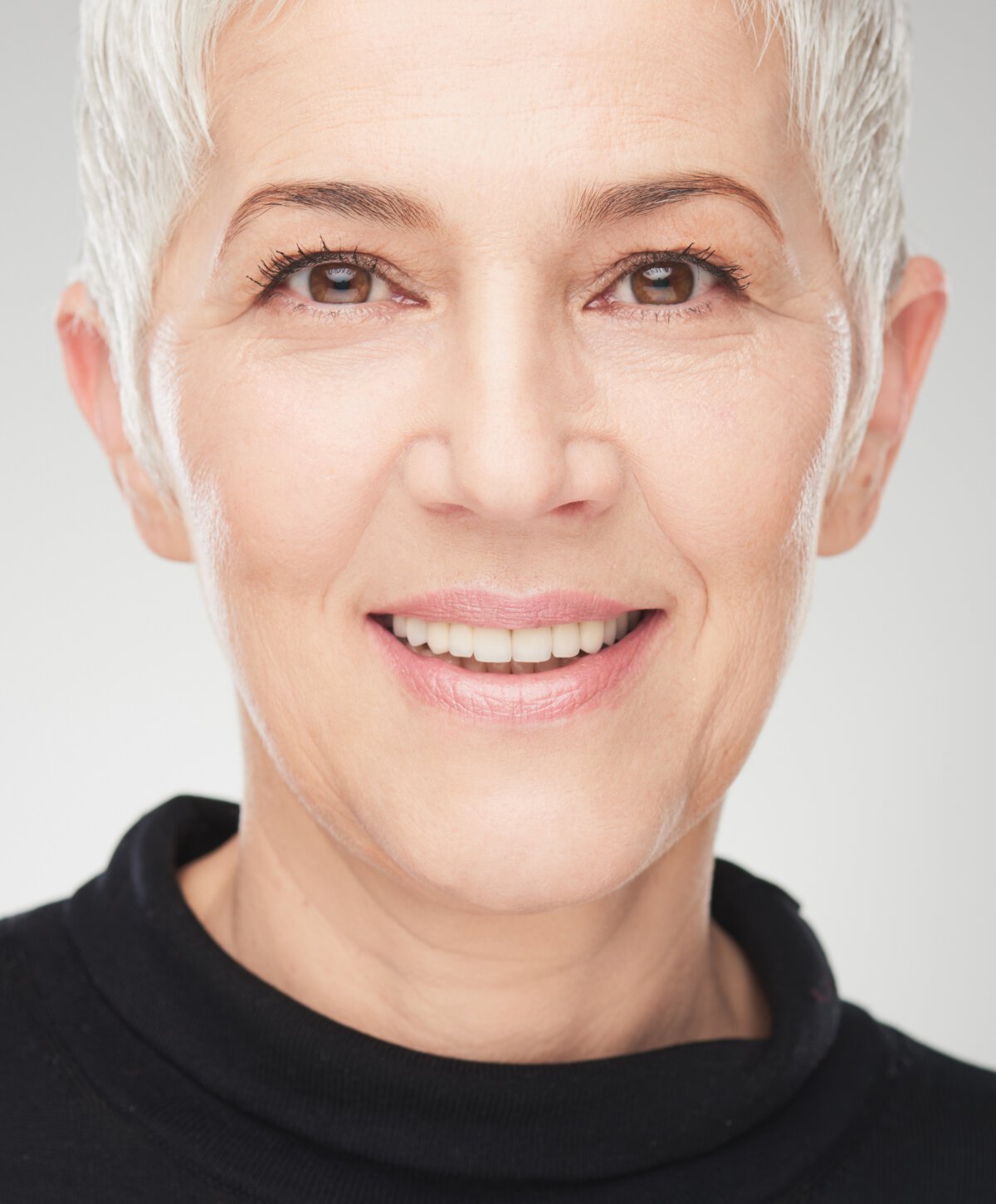

A brow lift, or forehead lift, is a cosmetic surgery that moves the soft tissues of your forehead and brow. It can help with a sagging brow, drooping eyebrows, forehead lines, frown lines, and heaviness above the upper eyelids when these issues are caused by a low brow. The goal is to restore your brow to a position that matches your eyes and facial structure, giving you a more rested look.
A brow lift may improve:
A brow lift does not fix every issue around the eyes. If you have extra eyelid skin, pigmentation, or skin texture concerns, you may need other treatments.
Heavy-looking upper eyelids can have more than one cause. A low brow can push tissue toward the upper eyelids, while some patients have good brow position but excess skin or tissue in the eyelid itself.
Dr. Lambiris looks at your brow, upper eyelids, outer brow, forehead, and how your brow and lash line relate before recommending a treatment. Some people need a brow lift, others do better with eyelid surgery, and some may benefit from both.
There are different brow lift techniques, which vary by where the incisions are made, how invasive they are, and what area they treat. At West Coast Plastic Surgery, options include endoscopic and lateral brow lifts. The best choice depends on your facial anatomy, hairline, where your brow has dropped, skin quality, and your goals.
An endoscopic brow lift uses short incisions behind the hairline. Through one incision, Dr. Lambiris inserts a small endoscopic camera to view the tissues beneath the skin while the forehead and brow are released and repositioned. This approach can address broader brow and forehead descent.
A lateral brow lift, also called a temporal brow lift, focuses on the outer third of the eyebrow. Incisions near the temporal hairline allow Dr. Lambiris to elevate the outer brow while leaving the inner portion largely untouched. It may be useful when the brow tail has descended toward the outside of the eyes.
Other brow lift techniques used in cosmetic surgery include the coronal brow lift or open brow lift, direct brow lift, pretrichial brow lift or hairline brow lift, and mid forehead brow lift. These use different incision locations and are not interchangeable. A coronal brow lift uses a longer incision across the scalp, a direct brow lift places an incision above the eyebrow, and a pretrichial approach follows the hairline.
The appropriate approach depends on your anatomy, hairline, degree of brow descent, and the amount of correction needed. Dr. Lambiris will create a treatment plan based on your specific anatomy and the area that needs correction.
A good candidate for a brow lift is usually healthy, doesn't smoke, and has realistic expectations about surgery. You might consider this procedure if you are bothered by a low brow, drooping brows, forehead lines, or heaviness over your eyes.
During a brow lift consultation, be ready to discuss your complete medical history, medications, previous procedures, nicotine use, and conditions that could affect healing. If you aren't sure whether you need a brow lift, eyelid surgery, or a nonsurgical option, a consultation can help you find out what's causing the heaviness, which treatments fit your needs, and what recovery will be like.

A brow lift can be done with local anesthesia and sedation or with general anesthesia, depending on the technique and if you are having other procedures at the same time.
For an endoscopic brow lift, small incisions are made behind the hairline, and an endoscope is used to see the underlying tissues. A lateral brow lift uses incisions near the temporal hairline to access and raise the outer brow. Dr. Lambiris then repositions the tissues according to the surgical plan and closes the incisions.
As your forehead and scalp heal, you may have swelling, bruising, tightness, itching, or temporary changes in feeling. Recovery time depends on the technique used and whether you had another procedure at the same time.
Swelling and bruising are usually most noticeable early on. Light walking is encouraged, while bending, heavy lifting, and strenuous exercise are restricted. Follow your incision-care and medication instructions closely.
Swelling and bruising begin to improve, although tightness or numbness may remain. You’ll return for follow-up visits as directed so your healing can be monitored.
Most people take one to two weeks off work. Many feel ready to return to normal social activities during this time, but some swelling may last longer.
You can slowly increase your activity as you heal. Avoid strenuous exercise and heavy lifting for the first six weeks after surgery.
Residual swelling continues to resolve, incision lines mature, and the final brow position becomes easier to appreciate.
You'll often see a change in your brow position soon after surgery, but swelling can affect how it looks at first. The final result becomes clearer as the swelling goes down. Brow lift results can last for many years, but they're not permanent since the face keeps aging. Genetics, sun exposure, skin quality, smoking, and other lifestyle habits can affect how your forehead changes over time.
Brow shape, forehead height, hairline position, eyelid anatomy, and facial structure all influence what looks natural. Dr. Lambiris considers all these details to decide how much lift you need and where. The aim is to give you a refreshed look that reduces heaviness but keeps your natural expressions.
A surgical brow lift, eyelid surgery, and nonsurgical brow lift options can all affect the upper face, but they address different problems.
A brow lift raises descended forehead and brow tissues. Blepharoplasty treats excess eyelid skin and other eyelid tissue. If a low brow is contributing to upper-eye heaviness, eyelid surgery alone may not address the whole problem.
Botox can smooth dynamic wrinkles such as forehead lines and frown lines and may create subtle temporary brow elevation in some patients. Sometimes called a nonsurgical brow lift, it cannot reposition significantly descended soft tissues the way surgery can.
A brow lift focuses on the upper third of the face. A facelift addresses aging lower on the face, including the cheeks and jawline. When aging affects several areas, the procedures may be considered together as part of comprehensive facial rejuvenation.
A consultation can help you understand what each option can change, how long the results might last, and what recovery or maintenance will involve.
Brow lift surgery may be combined with other facial procedures when more than one area contributes to the overall concern.
Combining a brow lift with eyelid surgery may be appropriate when both brow descent and excess eyelid tissue contribute to heaviness around the eyes.
A brow lift can also be performed with facelift surgery when facial rejuvenation is needed in both the upper and lower face.
A brow lift changes the position of tissues but does not fix every fine line, discoloration, or skin texture issue. You may need separate skin treatments, and the timing will depend on your healing and the type of treatment.

All surgeries have risks. With a brow lift, these can include bleeding, infection, scarring, changes in skin or scalp feeling, hair loss near the incision, uneven results, slow healing, anesthesia problems, and sometimes the need for another surgery. Facial nerve injury is possible. Blood clots are rare but serious and can cause a pulmonary embolism. Your individual risk depends on your health, medical history, technique, and other factors. These are reviewed during consultation.

Scar location depends on the technique. Endoscopic brow lift incisions are small and placed behind the hairline. A temporal brow lift uses incisions near the temples. Other approaches may place incisions along the hairline, across the scalp, or directly above the eyebrows.
No surgery can guarantee invisible or minimal scars. The final scar depends on your hairline, hair thickness, where the incision is made, your skin quality, and how you heal.
Dr. Brandon Lambiris is board certified by the American Board of Plastic Surgery and brings advanced surgical training, attention to detail, and a strong understanding of facial anatomy to every brow lift. His approach is highly individualized, with the goal of creating natural-looking changes that fit your brow shape, eyes, hairline, and overall facial structure rather than giving every patient the same result.
At West Coast Plastic Surgery, care is personal from the start. Dr. Lambiris takes the time to understand what you want to change, explain your options clearly, and develop a surgical plan that makes sense for your features and goals. Patients from Bradenton can receive this same thoughtful, one-on-one care at the practice’s nearby Sarasota office.
At a brow lift consultation, Dr. Lambiris will check your brow, forehead, upper eyelids, hairline, facial structure, and medical history, then explain which options are right for you. You can also talk about the recommended technique, expected results, recovery, risks, and cost of a brow lift.
Bradenton patients can contact West Coast Plastic Surgery in Sarasota to schedule a consultation today.
The cost of a brow lift depends on the technique, type of anesthesia, facility fees, your surgeon’s experience, where you have the surgery, and if you have other procedures at the same time. You'll get a personalized estimate after your surgical plan is made.
How long the surgery takes depends on the technique and whether you are having other procedures at the same time. Dr. Lambiris can give you a better estimate once your surgical plan is set.
Anesthesia keeps you comfortable during surgery. Afterward, you may feel sore, tight, swollen, tender, or notice temporary changes in feeling.
Swelling is usually most noticeable in the first few days and gets better over the next few weeks. Most people take one to two weeks off work, but mild swelling can last longer.
Brow lift results can last for many years. Some patients enjoy results for around a decade, although longevity varies and aging continues.
A brow lift can raise your hairline, depending on the technique. Hairline position and forehead height matter when choosing the right type of brow lift, especially if you have a high or receding hairline.
A brow lift can help with hooded eyes if a sagging brow is causing heaviness above your eyes. If extra eyelid skin is the main problem, eyelid surgery may be a better choice.
A brow lift corrects a low brow, while upper eyelid surgery treats extra eyelid skin and tissue. Looking at both areas together helps decide which treatment is best for you.
Botox can smooth wrinkles and may give a slight, temporary lift to the brow. It cannot move tissues the way surgery can if your brow has dropped a lot.
Yes, men can have brow lift surgery too. Brow shape, forehead height, hair thickness, hairline position, facial features, and your personal goals all play a role in planning the surgery.
Dr. Brandon Lambiris believes everyone deserves the opportunity to look their best. If you’ve dreamed of having plastic surgery to unlock your true potential, we encourage you to join us for a consultation. Experience the real difference plastic surgery can have on your life at West Coast Plastic Surgery in Sarasota, FL.